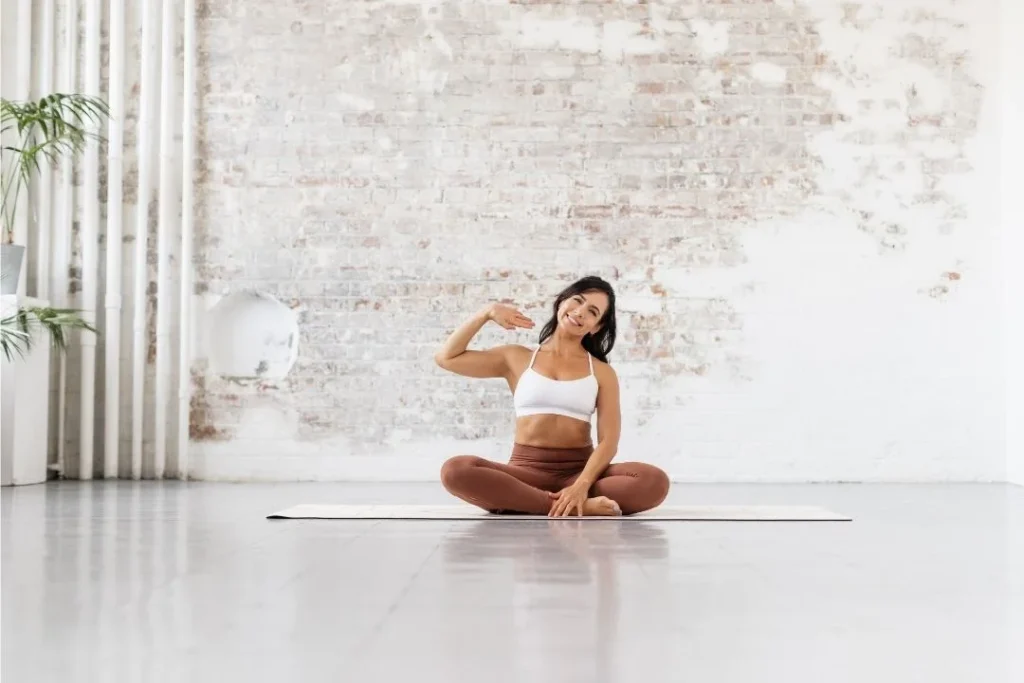
About Celest
Celest acquired her BSc (Hons) in Physiotherapy in 2009, and is currently specialising in functional neurology. She teaches yoga internationally, coauthored the book Too Flexible to Feel Good, and runs regular education based workshops internationally. She is also co-founder of Alba Yoga Academy, an online 200 and 300h teacher training school, with her friend and business partner Hannah Barrett.
DAY 1, April 2 - Balance Strong
17:00 - 19:30
Balance and inversions requirve far more than strength. The brain has to understand where the body is in space, organise the midline, process visual and vestibular information and continuously make tiny corrections to keep us upright while we’re upside down.
In this workshop, we’ll explore inversions through the lens of the nervous system. We’ll use neural flossing to explore changes in range of motion and strength, dual-tasking to challenge the brain while we balance, and visual techniques including the Troxler effect to change the sensory information available to us.
We’ll also experiment with perturbations, midline stability and breathing strategies to see how they influence balance and movement. The aim isn’t simply to achieve an inversion. It’s to understand and train some of the neurological skills that make inversions possible.
DAY 2, April 3 - Breathing Pattern Inefficiencies
10:00 - 12:30
We breathe thousands of times every day, yet breathing is something that can become surprisingly inefficient.
In this workshop, we’ll explore breathing pattern disorders and what happens when breathing begins to work against us rather than for us.
We’ll look at what a breathing pattern disorder is, why it can develop and how changes in breathing can affect the body beyond the respiratory system. You’ll learn practical ways to observe and assess breathing, recognise common signs of dysfunction and begin identifying what may be driving the pattern. From there, we’ll explore simple treatment strategies and breathing interventions that can be incorporated into movement and yoga practice.
The goal isn’t to find one “perfect” way to breathe, but to help the respiratory system become more adaptable, efficient and appropriate for the task at hand.
A Spine That Moves Well Forever
14:00 - 16:30
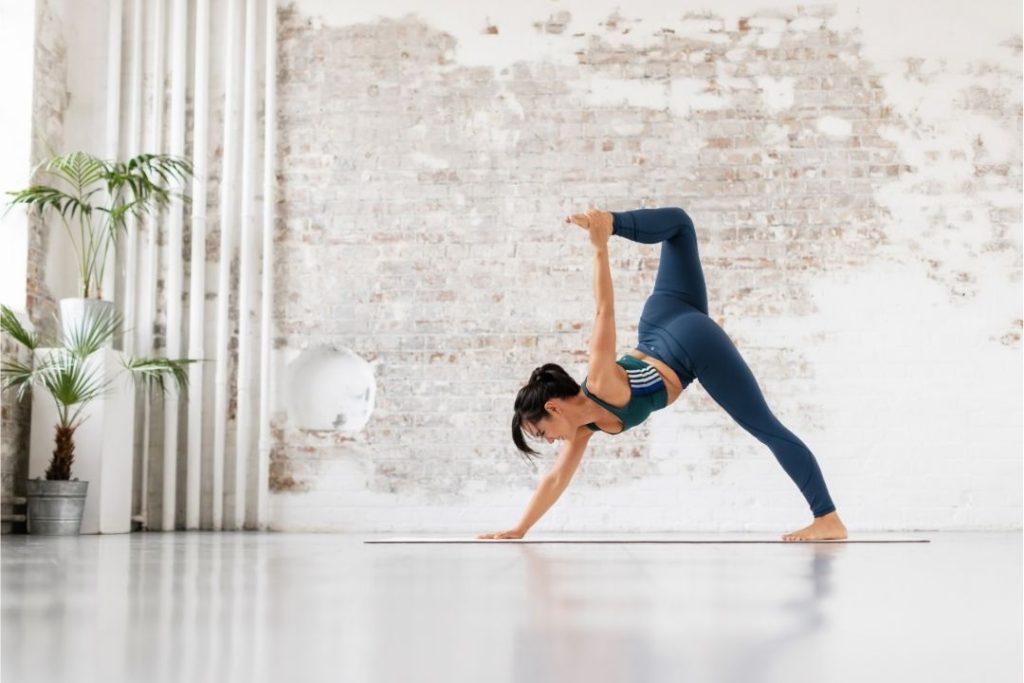
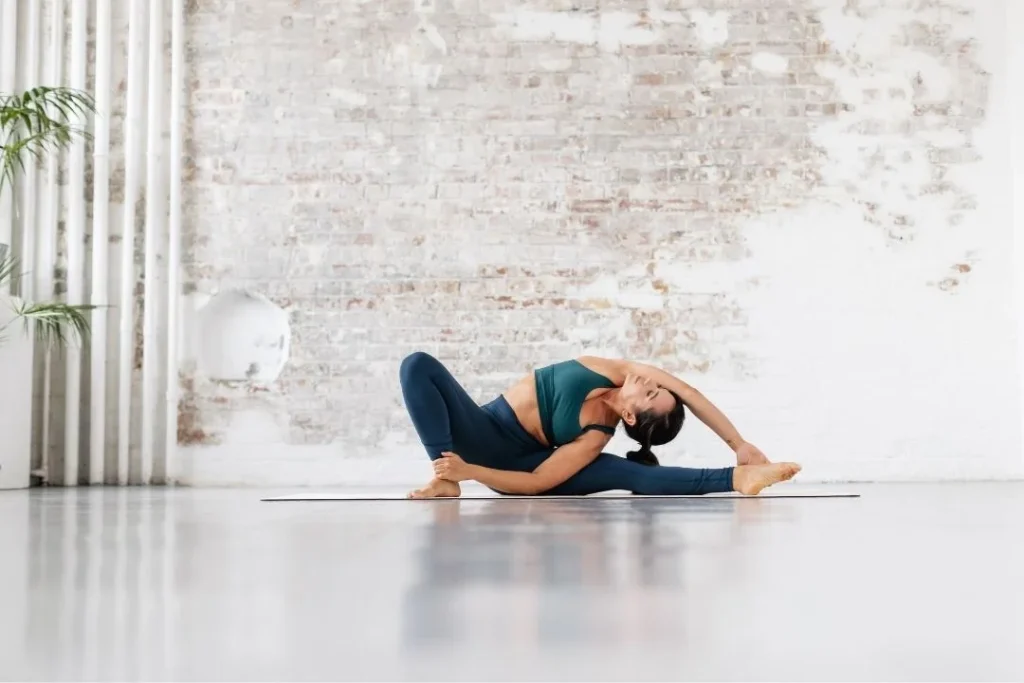
Backbends are often approached as a question of flexibility: open the shoulders, stretch the hip flexors and try to create more extension through the spine. But spinal extension is also a complex neurological skill.
In this workshop, we’ll explore what happens when we train backbends through the nervous system rather than simply trying to push further. We’ll develop sensory awareness of the spine and experiment with improving motor control of individual regions of the vertebral column. We’ll explore coupled movements, stacking and the relationship between the eyes and spinal movement. We’ll also look at the cerebellum, vestibulospinal pathways and their role in midline stability, postural control and extension.
Through practical drills, testing and movement exploration, we’ll investigate whether changing the information going into the nervous system can change the movement coming out.
DAY 3, April 4 - How Touch Shapes Our World
10:00 - 12:30
A hands-on adjustment is much more than moving somebody into a different position. Touch itself is sensory information, and the nervous system has to interpret that information before deciding how to respond.
In this workshop, we’ll explore hands-on assists through the lens of neuroscience.
We’ll look at how touch is processed in the brain, including the fascinating distinction between first and second touch, and consider how different types of contact may influence movement, awareness and perception. We’ll use test and retest strategies to investigate whether an adjustment actually creates the change we intended, and explore concepts such as error augmentation to help students discover movement for themselves.
We’ll also compare hands-on and hands-off approaches and discuss the ethical considerations surrounding touch. Rather than collecting a library of adjustments to perform on students, you’ll leave with principles that help you decide when to touch, why you’re touching and whether your intervention actually helped.